How Temperature Affects Tyre Pressure (And Why It Matters)
Published on: Friday, 21 August 2026 | Author: Jessica Bird
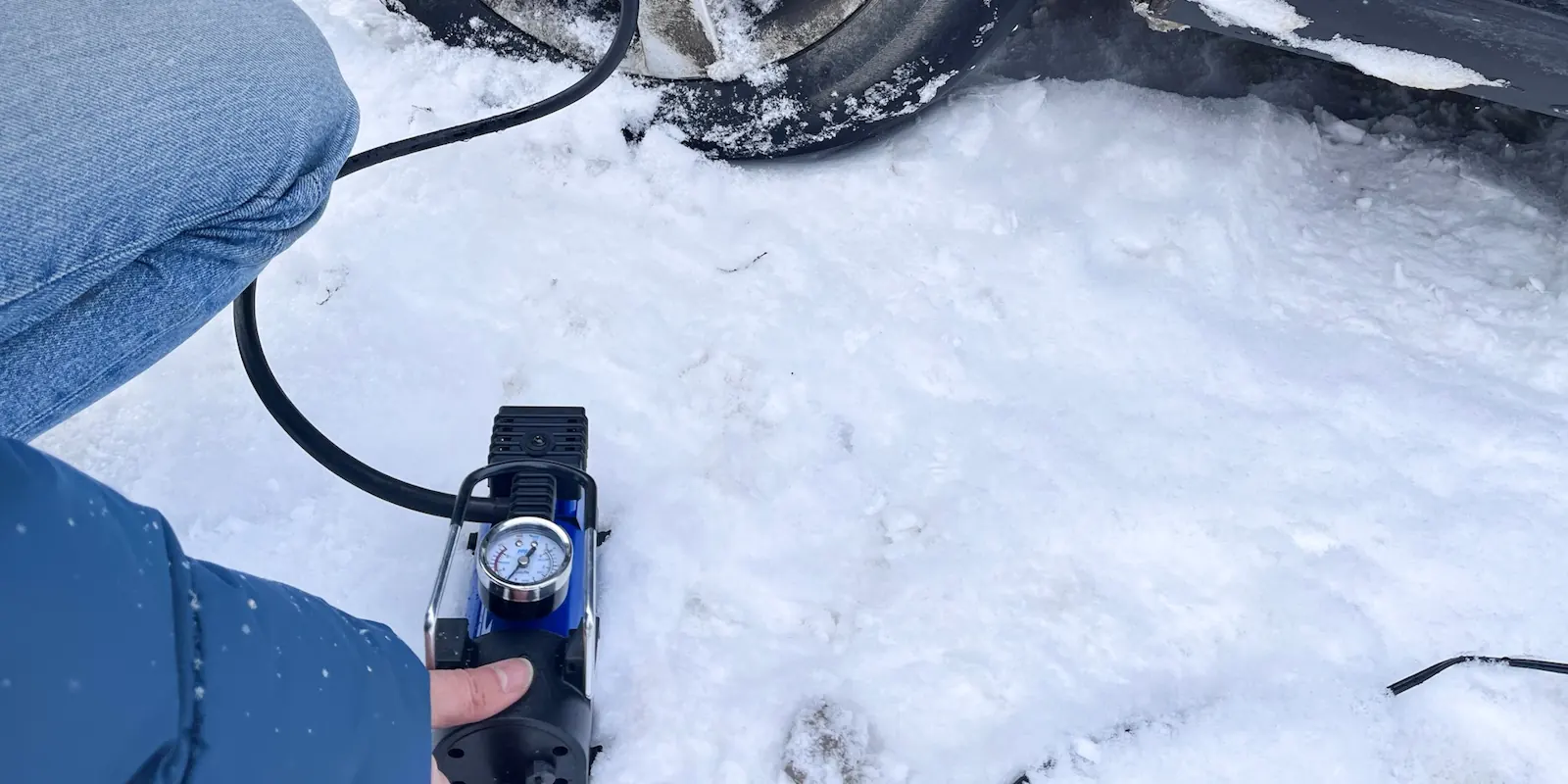
The changing weather can influence more than just your beach day plans. In fact, the weather can even impact how your car’s tyres feel.
The air pressure in your tyres fluctuates when the weather is cool or warm, having a knock-on effect on things like vehicle handling, steering, and braking performance.
Below, we explain in depth exactly how outdoor temperature affects your tyre pressures.
Temperature & tyre pressure quick facts
- Every 10°C change in temperature alters tyre pressure by 1-2 PSI (or 0.07 to 0.14 bar)
- Hotter weather causes tyres to increase in pressure and potentially become overinflated, leading to reduced contact and grip with road surfaces.
- Cooler weather causes tyres to decrease in pressure and risks underinflation, leading to reduced fuel efficiency from drag and shorter tyre lifespan.
Why do tyre pressures change in different temperatures?
First, the sciencey bit. In their simplest form, your car’s tyres are rubber tubes filled with air. Since air is a gas, it reacts to external stimuli (like temperature). The gaseous oxygen and nitrogen molecules within air are always moving, but…
- When air gets hotter, its molecules move faster and begin to disperse, increasing the pressure when in a confined space (e.g., inside a tyre).
- When air gets cooler, its molecules slow down and move closer together, reducing the pressure when in a confined space.
In essence, the hotter it is, the more the air molecules inside your tyres want to move away from each other. A bit like how you don’t want to hug anyone in a heatwave.
How does hot weather impact tyre pressure?

When you drive on your tyres, they naturally heat up slightly due to friction with the road. Add warm weather into the mix, and tyre pressure can increase significantly.
If your tyres increase in pressure too much, they may well become overinflated, which poses a number of risks - both to driver safety and the health and longevity of your tyres.
Note: Most modern tyres are designed with pressure tolerances built in, meaning that you’ll only need to change your tyre pressures in extreme weather conditions.
The risks of overinflated car tyres
If left unchecked, overinflated tyres can cause…
Risk of tyre blowout
The tyre walls of overinflated tyres are much firmer and under more tension (due to the higher pressure within). This makes them more susceptible to blowouts, especially when driving at high-speeds.
Reduced grip with the road
The higher the tyre pressure, the more uneven the tyre’s shape becomes. Often, overinflated tyres “balloon” at the centre, lifting the sidewalls and outermost tread off the road. This makes the “footprint” of the tyre much smaller, lessening the amount of rubber that actually touches the road, reducing the friction and grip.
Reduced braking capacity
With less tyre gripping the road surface, overinflated tyres have a much weaker braking performance, often taking far longer to bring the vehicle to a stop. In wet conditions, this lack of traction also increases the risk of aquaplaning significantly.
Uneven tyre wear
Since overinflated tyres change shape slightly, with some parts lifted higher off the road than others, they wear down at uneven rates. This can significantly reduce the lifespan of your tyres.
Harsher vehicle handling
Lastly, since over-inflated tyres have a higher pressure, they are less able to flex and absorb impact. So, when the road surface is bumpy, overinflated tyres pass on every shudder and jolt to the driver and passengers above.
How does cold weather impact tyre pressure?
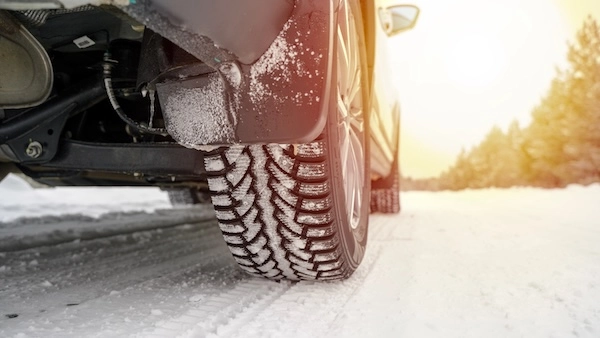
When you drive in cold weather, your tyre pressure drops as the air inside the tyre contracts. If left unchecked, or in extreme conditions, this can lead to underinflated tyres.
The risks of underinflated car tyres
Driving on underinflated tyres can decrease vehicle handling quality, worsen your fuel efficiency, and potentially trigger your car's tyre pressure warning light.
Poor vehicle handling
Underinflated tyres are “baggier” with less tension. This can make them flex excessively and become less responsive to things like steering and braking, making driving and responding to changes in the road harder.
Accelerated tyre wear
With less tyre pressure, underinflated tyres are less stiff and droop onto the road more. This means that there is a greater contact between the rubber of the tyres and the road surface, causing greater friction and accelerated tyre wear. Driving on underinflated tyres for long periods of time will likely wear your tyres out far sooner, meaning costly replacements on the horizon.
Reduced fuel economy
Due to the greater amount of friction between under-inflated tyres and the road, your car needs to use more force to move itself forward against the rubber’s resistance and drag. This uses more fuel to power the engine. If you consistently drive on underinflated tyres, you can expect your petrol light to come on more frequently.
Increased aquaplaning risk
Flatter tyres smooth out more quickly and wear down their tread much faster than correctly-inflated ones. A lack of deep tread pattern offers less protection against skidding and aquaplaning.
Keeping your tyres properly inflated, whatever the weather
Whether it’s snowing outside or you’re entering a heatwave, having the correct tyres and tyre pressure can make a lot of difference to your driving experience.
If extreme weather conditions have been predicted, take the opportunity to check your tyre pressure and inflate or deflate your tyres as necessary. The changing of the season is also a good time to switch between winter or summer tyres if you have them.
Worried about your tyres holding their pressure? Speak to the experts at your nearest Tyre Pros, get a free tyre check, and keep up with our blog for more handy insights.